
-
Product
- Source Measure Unit
-
DC Power Supply
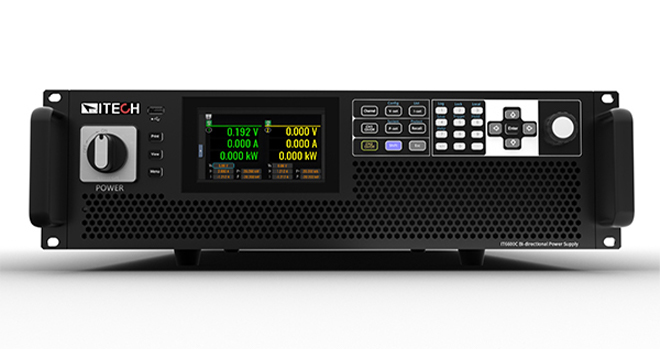
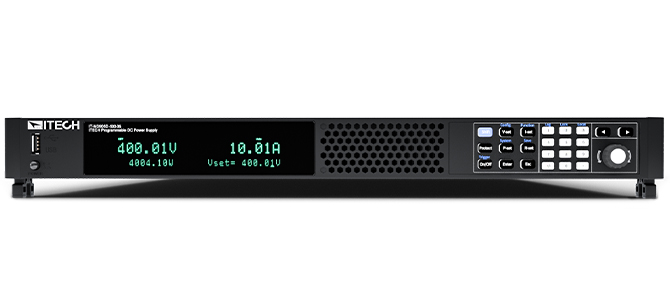
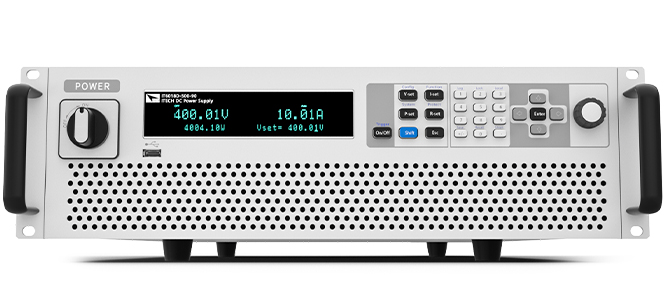
Solar Array SimulatorProgrammable Bidirectional DC Power SupplyHigh Precision DC Power SupplyHigh Power DC Power SupplyMultichannel DC Power SupplyLower Power Bench DC Power Supply
-
AC Power Supply
High Voltage AC Power Supply & High Voltage Grid SimulatorGrid SimulatorHigh Power AC Power Supply
-
DC Electronic Load
Regenerative DC Electronic LoadHigh Power DC Electronic LoadMultichannel DC Electronic LoadLED Load SimulatorLower Power Bench DC Electronic Load
-
AC Electronic Load
Regenerative AC/DC Electronic LoadLow Power Bench AC/DC Electronic Load
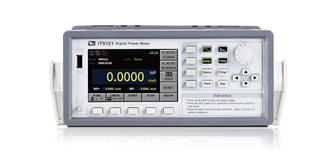
- Power Meter
-
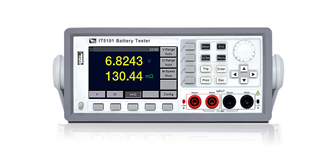
Battery Tester
Battery Tester
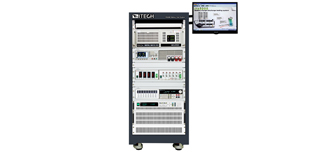
- Test System
-
Software/Options&Accessories
Software
- Solutions


 PV/Energy Storage
 Electric Vehicle
 Battery
 Battery recycling
 Semiconductor / IC
 Power Supply
 Industrial Electronics
 Research/Education/Others
 Medical Electronics
 Automotive Electronics
 IoT
IoT